A new sign in on (censor bar) (Nov 2024)
for ARTIST'S BOOKS: CONTENT & FORM with Sarah Nicholls (Fall 2024): PROJECT #2 The Visual Voice-Language and Image
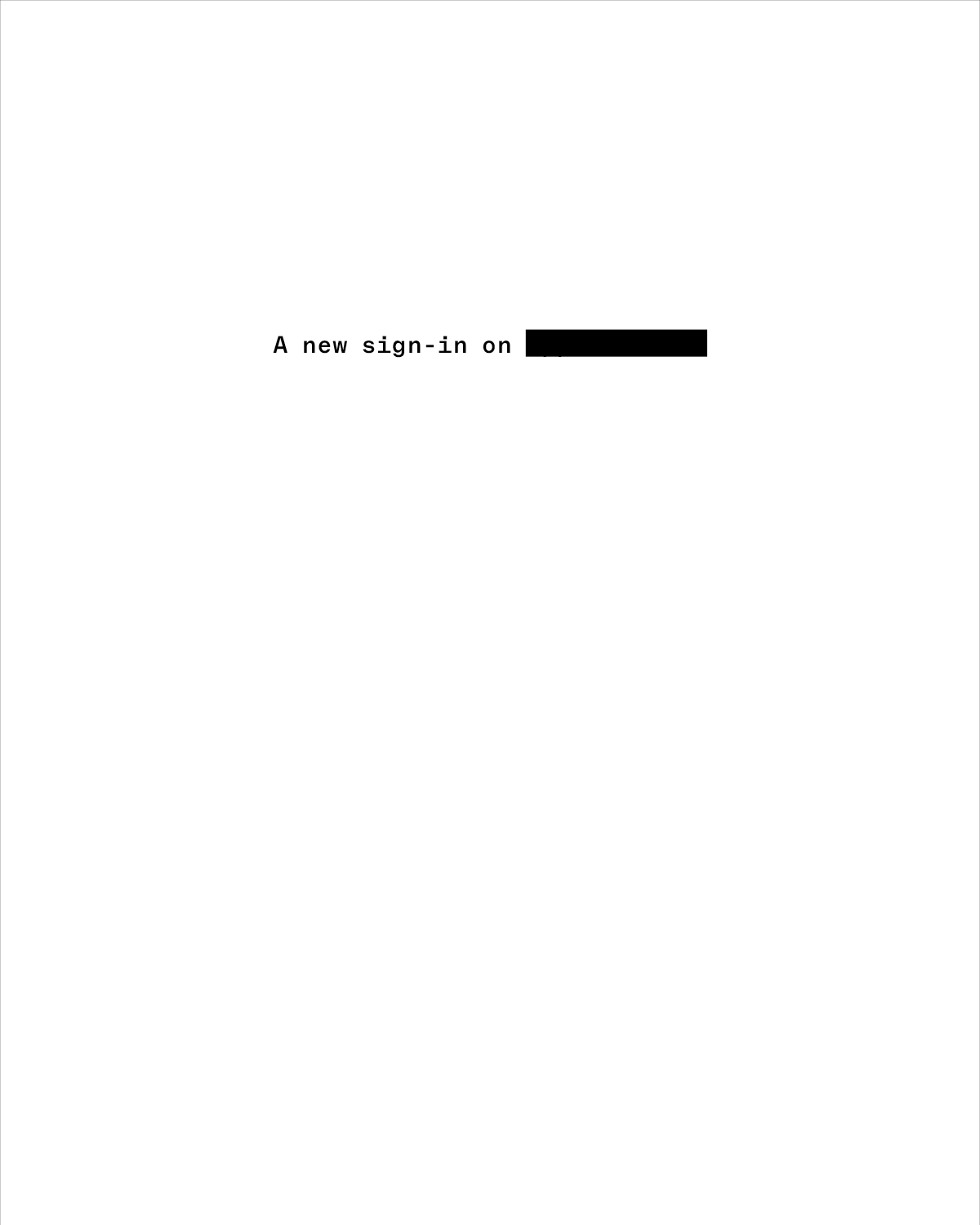
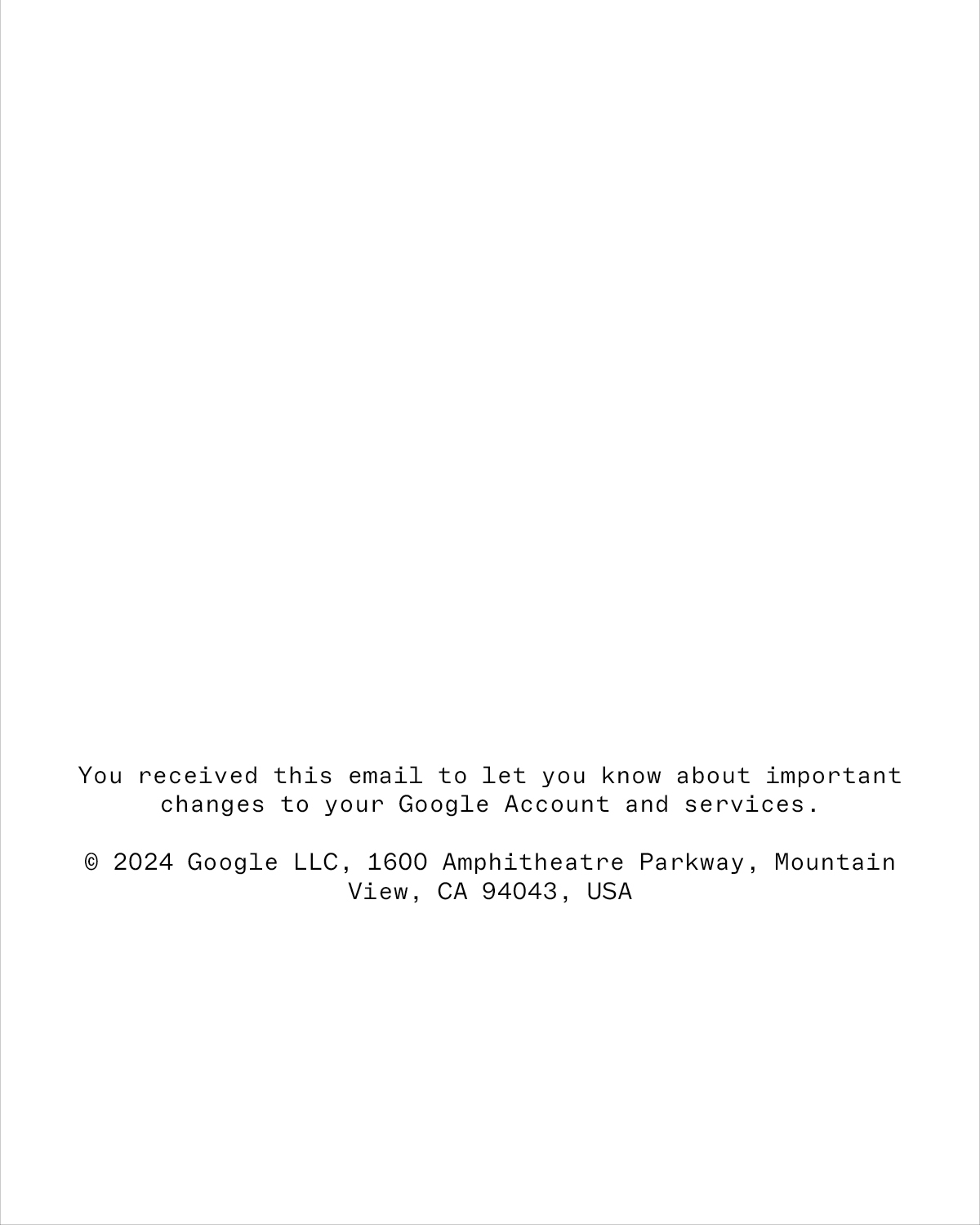
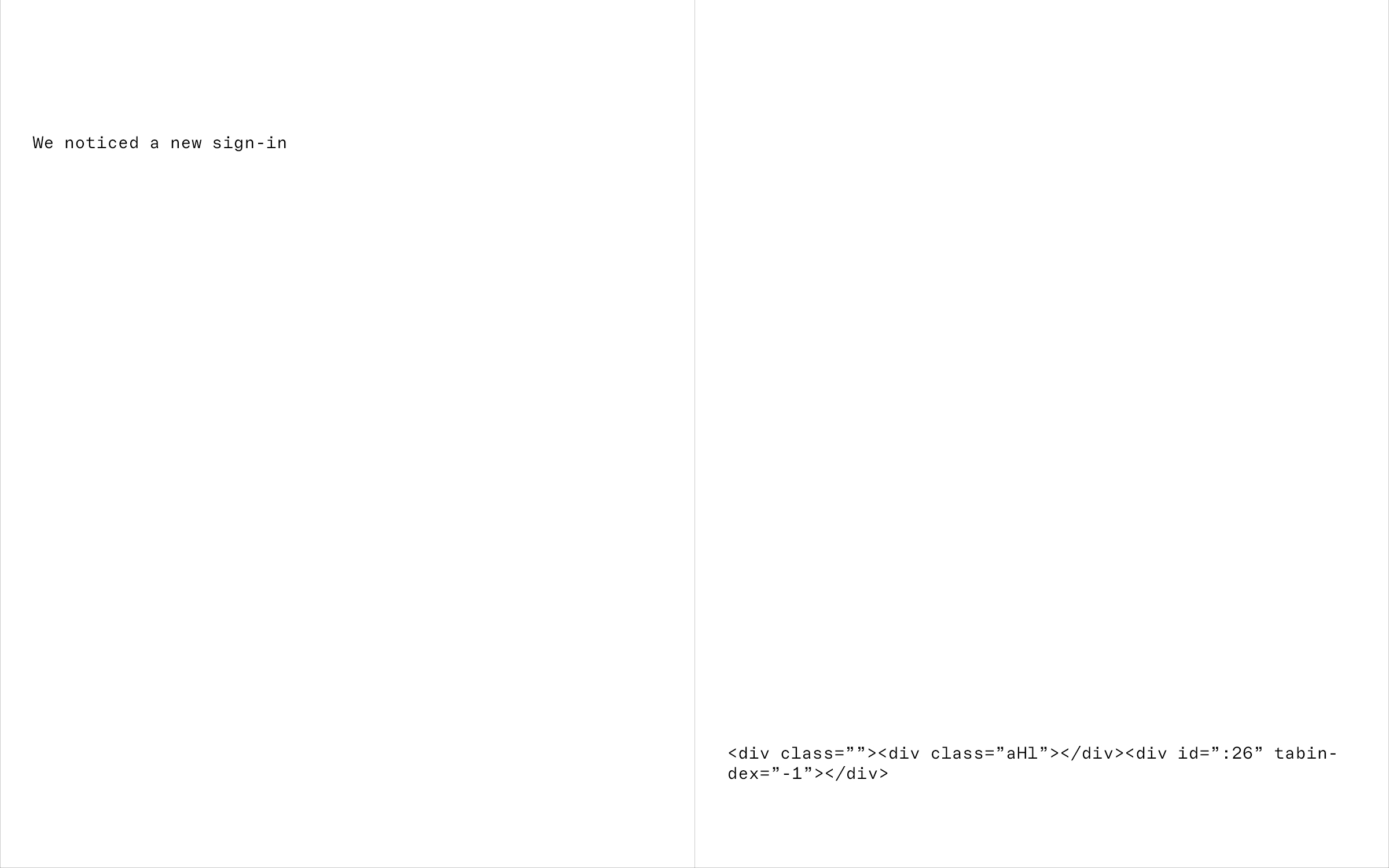
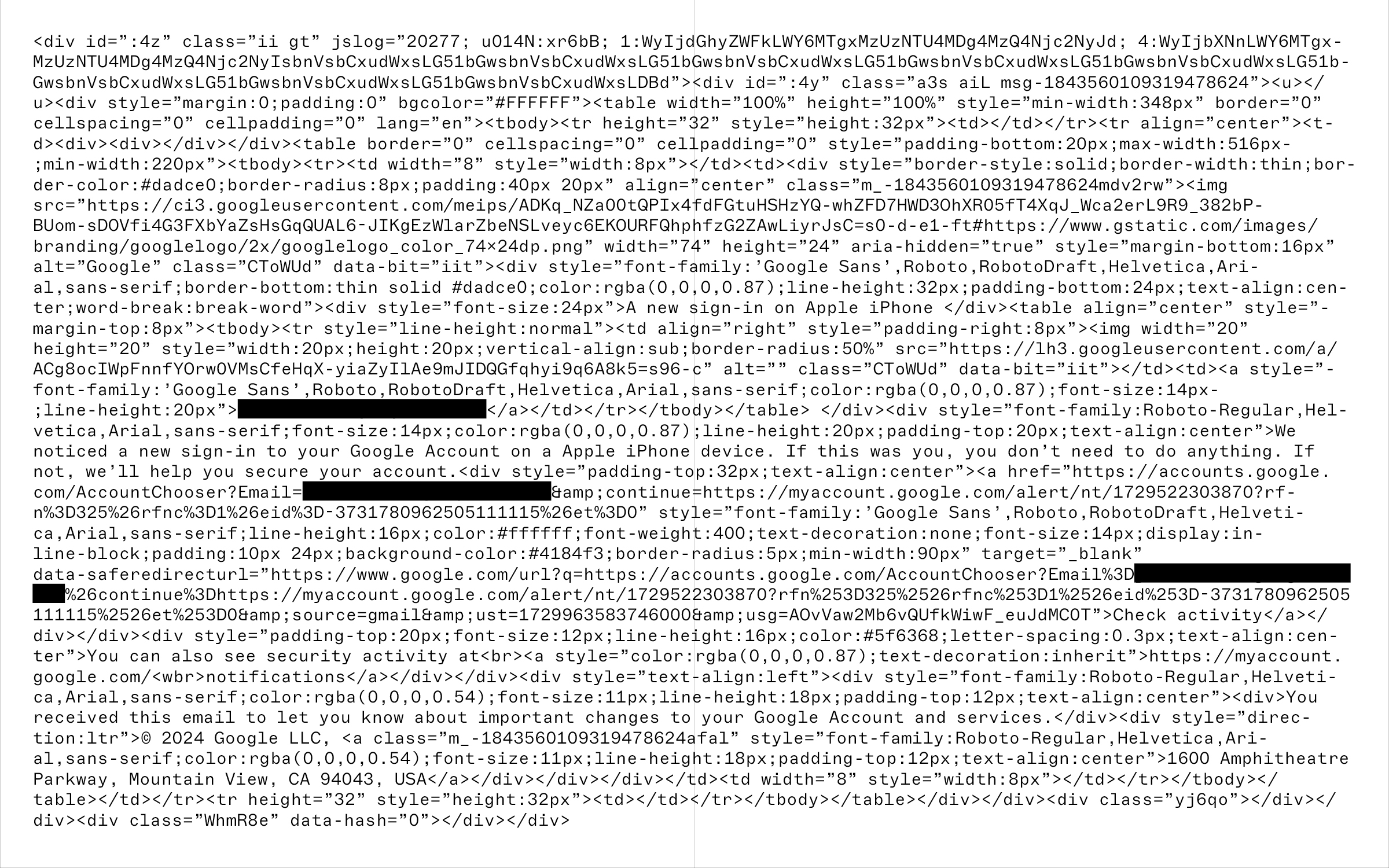
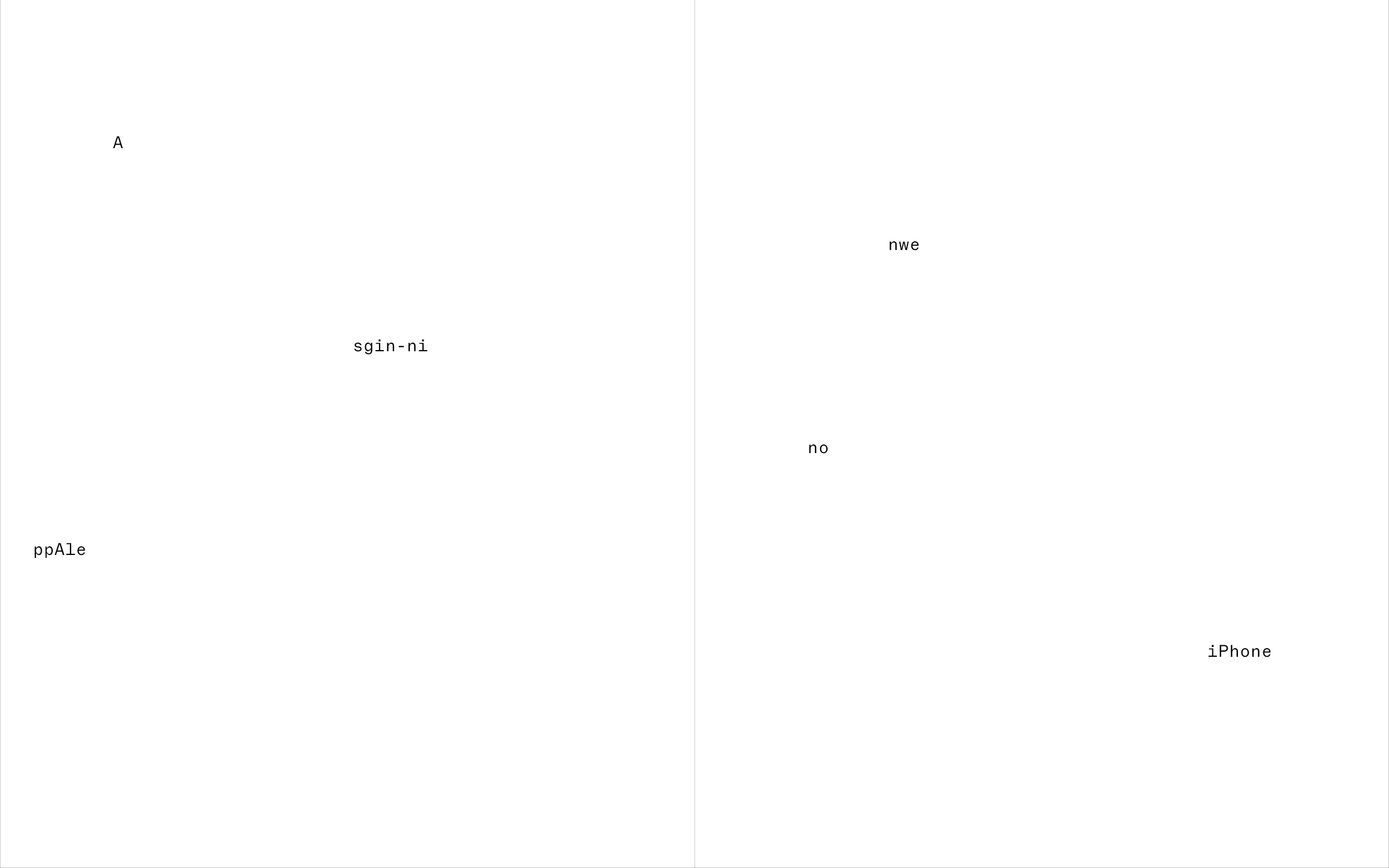
This artist’s book transforms ordinary security notifications into an exploration of digital identity and presence. Through thoughtful typographic treatment and spatial composition, this book reinterprets Google’s automatic email alerts into a visual narrative that challenges our relationship with digital authentication. The repetitive yet subtly varying text establishes a rhythm that reflects our everyday digital experiences. At the same time, the design invites readers to engage with these often-ignored messages in both text and abstract form.
Black and white laser print on Neenah Classic Crest Natural White 80T and 65C
4 × 5 inches
Brief:
In this project, I want you to think critically about the relationship between text and image. You are required to incorporate written language into this project, and think about how the reader will experience the text on the page. Consider the juxtaposition of image and text, the use of text as image, the composition of double page spreads, movement from page to page, what or what not to reveal to the reader, and reading across spreads, across and around page turnings. Consider not using traditional images at all. Consider using text as image and abstract form. Consider whether the language you use is understandable by the reader, as legible information, or not. Consider writing that extends beyond the page. Consider mark making that mimics written language. Consider making up your own language and working with a text in this language. The appropriate choice of paper for the project will be important, as will the sequence and integration of your content.
The kind of text you choose to work with will make a great deal of difference in this project. I want you to choose a text to work with that you have not written yourself- this can be found text, overheard text, accumulated text, computer generated text, excerpted text, advertising copy, text messages- the list is endless. I want you to take this piece of text and transform it in some way by how you work with it, how you present it on the page, how you break it up, how you render it as form.
Students will take advantage of the features of the structure they choose, to construct an artist book with at least ten full page spreads.